Landscape Trends: A Comprehensive Guide to Landscape Ideas That Last
.avif)
Landscape Trends: A Comprehensive Guide to Landscape ideas that last
Gardening in 2025 continues to reflect a growing awareness of sustainability, climate resilience, mental wellness, and personal creativity. Drawing from prestigious global events like the RHS Chelsea Flower Show and insights from leading horticultural experts, this guide outlines the most influential trends homeowners, designers, and urban gardeners are embracing this year.
Sustainable and Climate-Resilient Landscaping
Environmental responsibility is central to modern garden design. Gardeners are:
- Replacing traditional lawns with drought-tolerant native ground covers.
- Choosing native species that require fewer inputs (water, fertilizer, pesticides).
- Incorporating edible plants alongside ornamentals—aka “edimental gardening.”
- Using reclaimed or recycled materials for hardscaping.
- Installing rain gardens and compost-enriched soil beds to support water retention and carbon sequestration.
Legacy and Fast-Growing Shade Trees
As summers become hotter, shade is a key backyard asset:
- Combine fast-growing trees (e.g., sycamore, river birch, tulip tree) with slower-growing legacy trees (e.g., redbud, catalpa, sweetgum) for both short-term benefits and long-term value.
Invest in mature specimens to reduce the wait time for effective shade.
Rule of thumb: most fast-growing trees add about 2–3 feet in height annually.
Wildlife-Friendly Gardens
Creating habitats for pollinators and birds has become a hallmark of environmentally conscious gardening:
- Choose nectar-rich plants like milkweed, echinacea, and lavender.
- Provide shelter using birdhouses and native shrubs.
- Add moving water features such as bubblers or shallow ponds.
- Design with layered planting to emulate natural environments.
- Avoid invasive species such as butterfly bush and prioritize native varieties that better support local ecosystems.
Vertical Gardening
An ideal solution for tight spaces, vertical gardening maximizes efficiency and impact:
- Use trellises, pergolas, or slatted walls to increase planting area.
- Provide privacy screening and visual interest.
- Support vines, herbs, and compact fruits or vegetables.
- Balconies, patios, and narrow yards can all benefit from vertical garden solutions.
Wellness and Hobby-Focused Spaces
Gardens are now tailored for leisure, hobbies, and well-being:
- Yoga decks, meditation nooks, and reading areas.
- Outdoor showers and cold plunge pools.
- Saunas, fire pits, and cozy seating.
- “She shacks,” backyard studios, and creative workspaces.
- Alfresco kitchens and open-air dining rooms.
- Water features remain highly favored for their calming sound and sensory ambiance.
Smart Garden Technology
Innovative tools are simplifying garden care:
- Smart irrigation systems that optimize water use.
- Automated lighting for ambiance and security.
- App-based control systems for garden devices.
- These smart features boost both sustainability and convenience.
Naturalistic Planting & Forest Bathing Influence
The Japanese practice of Shinrin-yoku (forest bathing) inspires immersive, mindful gardens:
- Meandering paths encourage slow movement and exploration.
- Layered native plantings recreate the structure of natural forests.
- Understory trees and shrubs add texture and seasonal variety.
- Water and light features enhance tranquility and atmosphere.
These designs support mental wellness and strengthen our connection to nature.
Final Thoughts
The gardens of 2025 are practical, personal, and purpose-driven. Whether you’re nurturing a wildlife sanctuary, building vertical edible walls, or establishing a wellness retreat in your backyard, these trends invite you to engage with your garden in meaningful, restorative ways—while helping the planet thrive.
Keep Reading
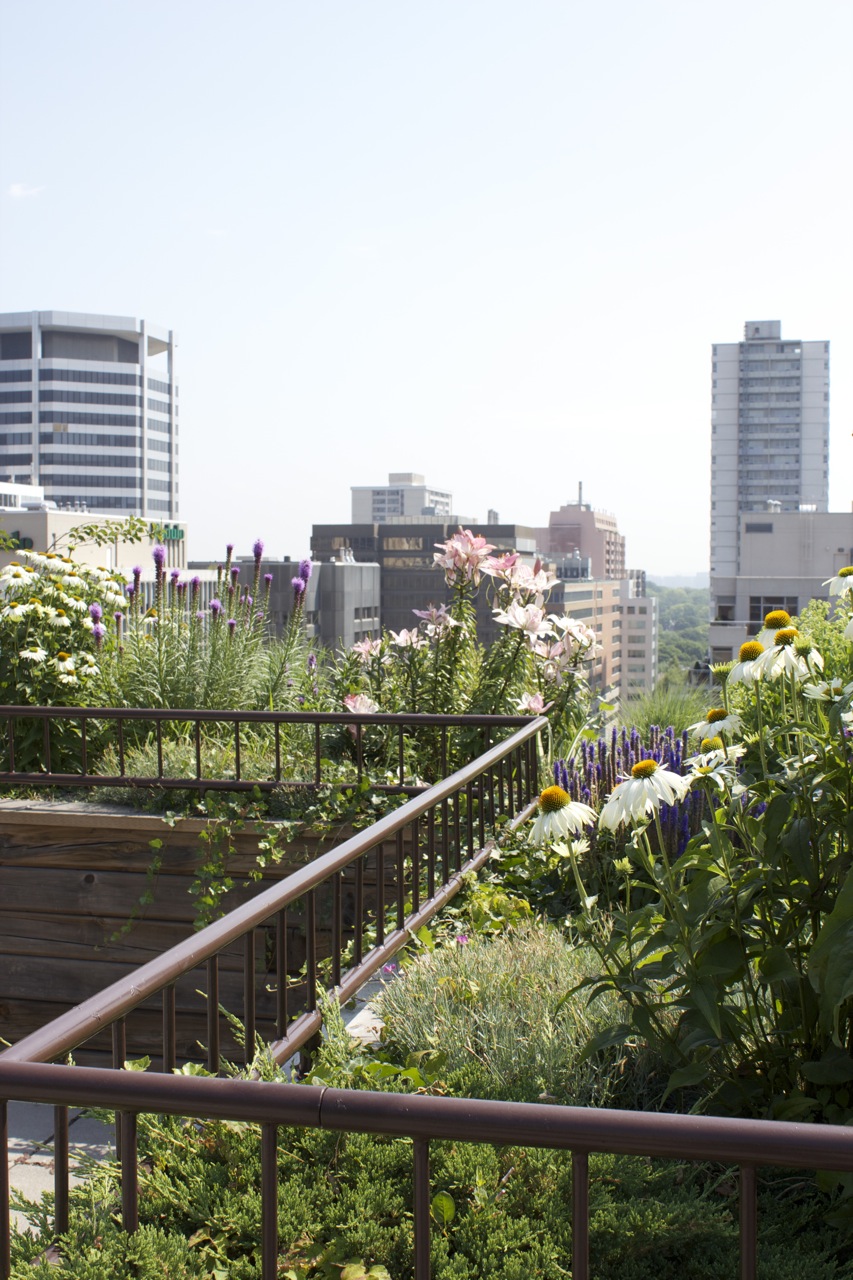
Toronto's Green roof Bylaw and Incentive programs/grants
The City of Toronto’s Net-Zero Existing Buildings Strategy has set the stage for all existing buildings in Toronto to reduce their greenhouse gas (GHG) emissions to net-zero by 2050

Winter Garden Preparation Tips for Ontario (Zone 5)
As winter nears, gardens in Toronto and the GTA need protection to ensure healthy regrowth in spring. Hardy plants like holly and dogwood can withstand the cold, but others—such as boxwood, young cedars, and tender perennials—need extra care. Key steps include: Mulching garden beds to insulate roots. Wrapping vulnerable shrubs with burlap to protect from wind and frost. Bringing container plants indoors if not cold-hardy. Emptying and storing outdoor pots to prevent cracking. Clearing dead plant material to avoid pests and disease. Enriching vegetable beds with compost and mulch for spring. Choosing climate-appropriate plants and taking these steps will help your garden survive winter and thrive come spring.
Transform Your Outdoor Space Today
With over 30 years of experience, Landcare is your trusted partner in creating stunning landscapes for both residential and commercial properties. Explore our comprehensive range of services designed to enhance your outdoor environment.